Blog
Looking for something to try first? Browse the prompts.
The latest
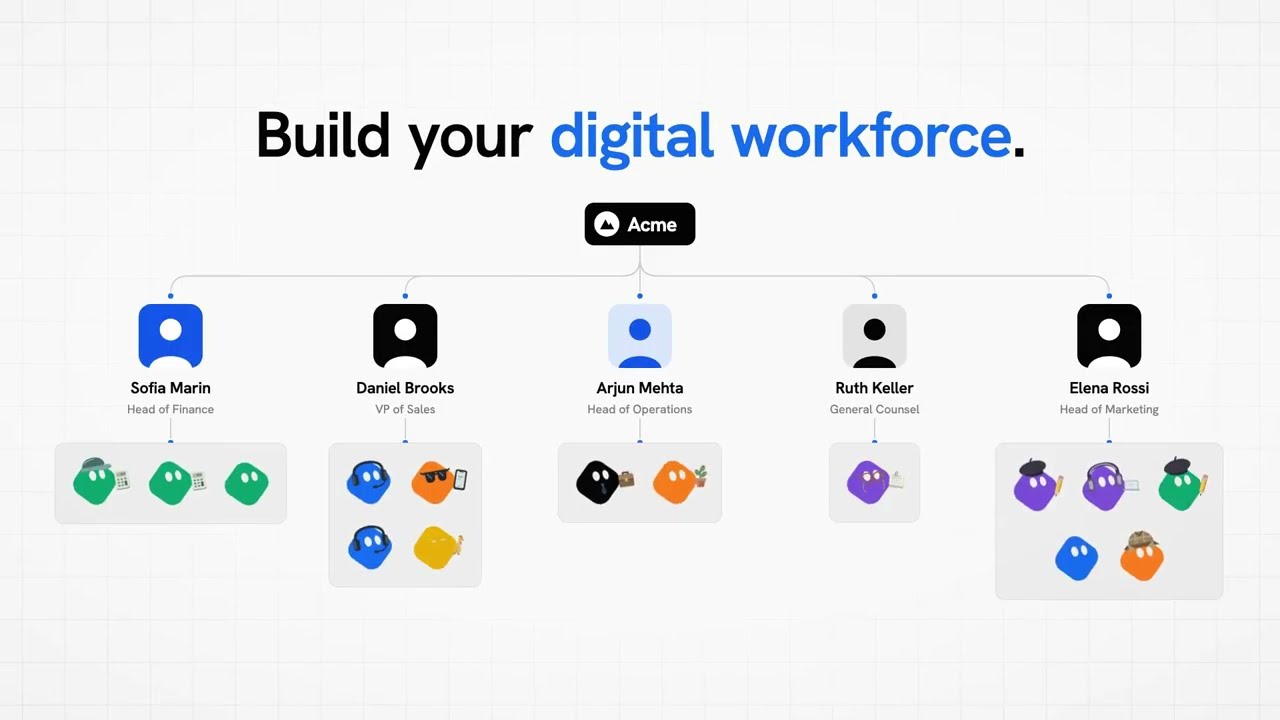
Build Your AI Workforce with General Input Specialists
General Input Specialists are live on the web and iPhone. Describe any task, and a specialist learns how you do it and takes it off your plate.
All posts
Introducing General Input Specialists
General Input now runs on AI specialists, one for each job in your business. Here's why we stopped asking you to build automations and let you delegate.
Introducing Projects: Skills, Workflows, and Apps That Live Together
Projects are live in General Input. Group the skills, workflows, apps, and files that serve one goal into one system, with its own memory and sharing.

Run the whole thing in your building
Apple's new desktop holds 512GB of model weights. With a local General Input deployment, prompts, weights, credentials, and runs never leave your network.
Your AI tools can now reach every system your business runs on
The General Input MCP connects your workspace to Claude, ChatGPT, Gemini, and Grok, so every integration, workflow, and skill works from the AI tool you use.
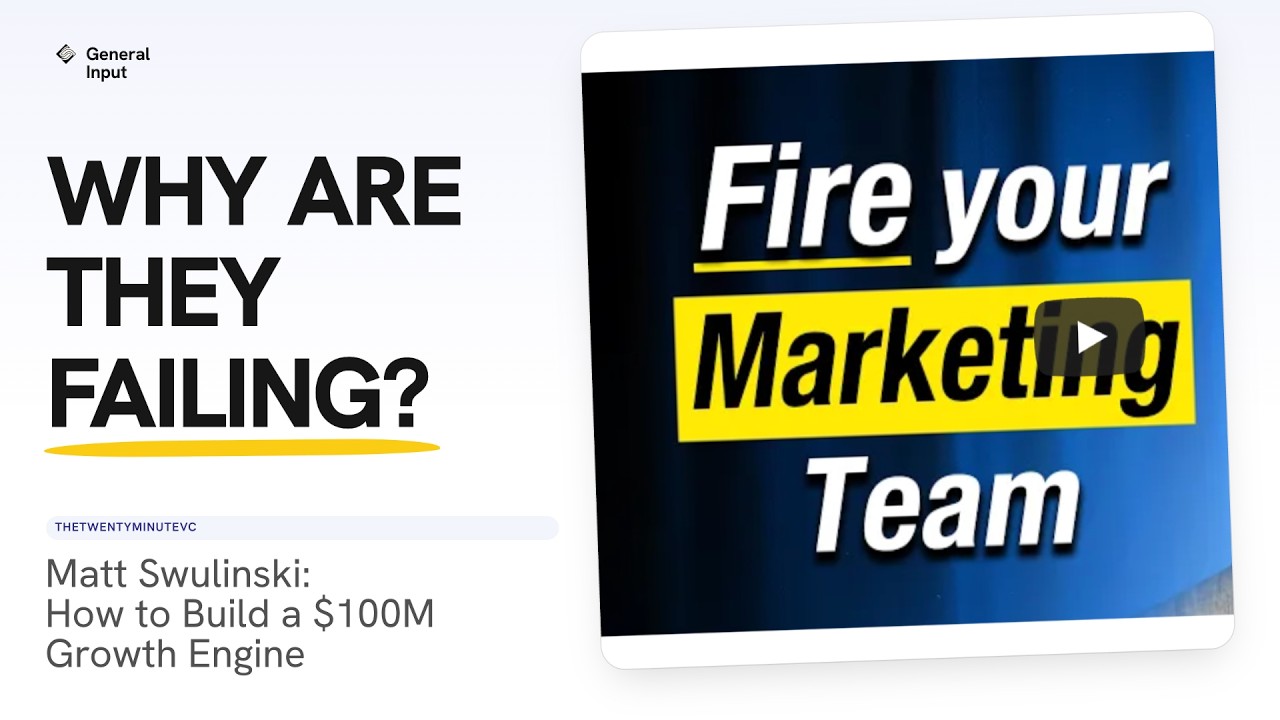
Less Than 1% of Candidates Pass This Hiring Bar
Matt Swulinski grew Wispr Flow to millions of users. He says under 1% of candidates are AI-native systems thinkers, and that's who the market now pays for.
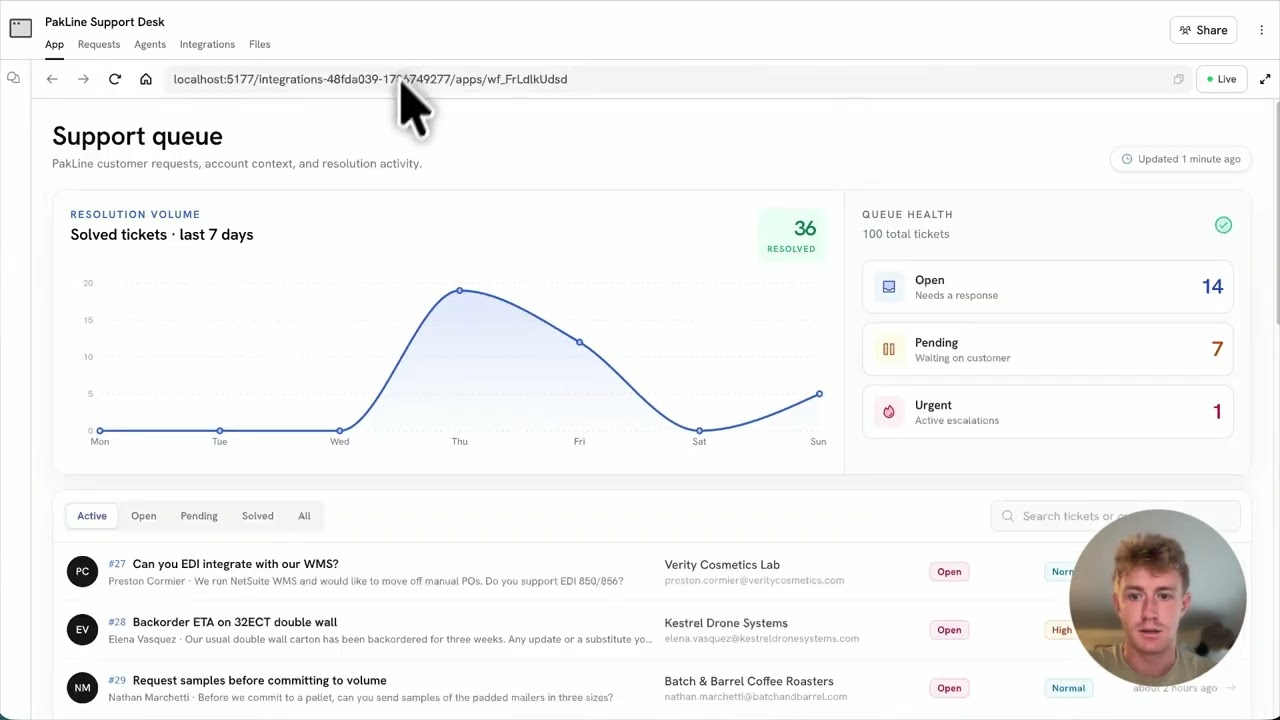
Agents Inside Your Apps: Every Tool You Build Can Now Do Its Own Work
Embedded agents are live in General Input: any app you build can launch a full agent from its own interface, with the app's connections and record as context.
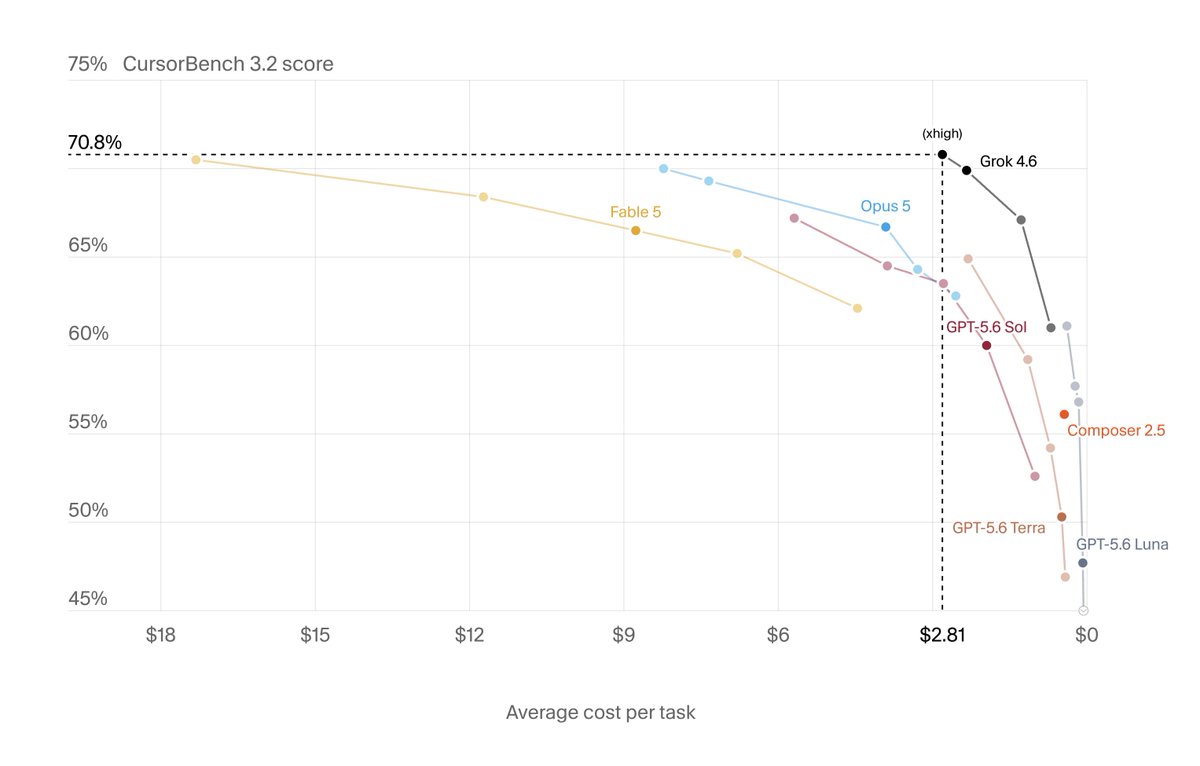
Grok 4.6 hit the Pareto frontier. Don't marry a model provider.
Grok 4.6 topped CursorBench 3.2 at $2.81 per task while the runner-up charged $17.32. You only capture gains like that if your stack lets you switch models.
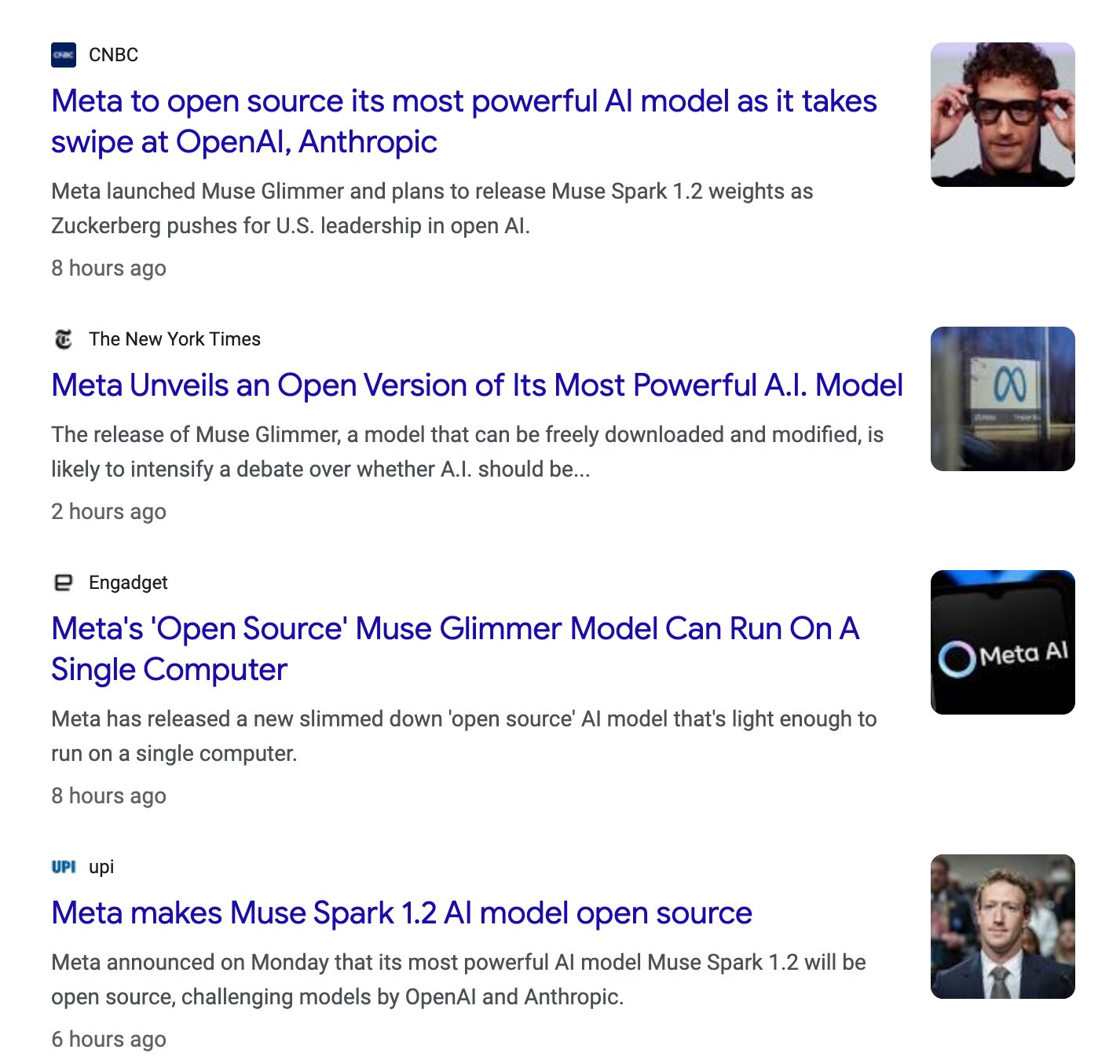
Meta open-sources Muse Spark 1.2
Meta is releasing open weights for Muse Spark 1.2, a near-frontier model at $1.25/$4.25 per million tokens. What it means for prices, hosts, and open source.
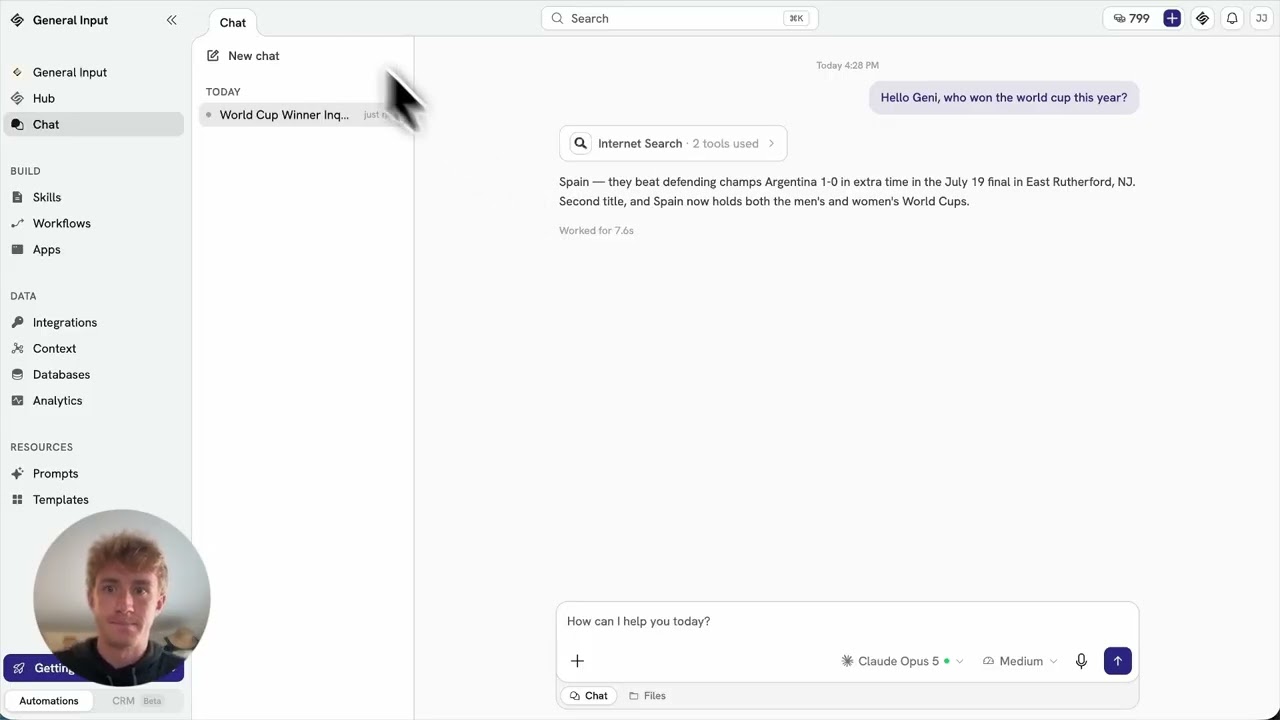
General Input Crash Course: Sign Up, Connect, Build a Workflow, Ship an App
A sixteen-minute crash course that goes from the sign-up page to a shipped system without cutting away from the hard parts.
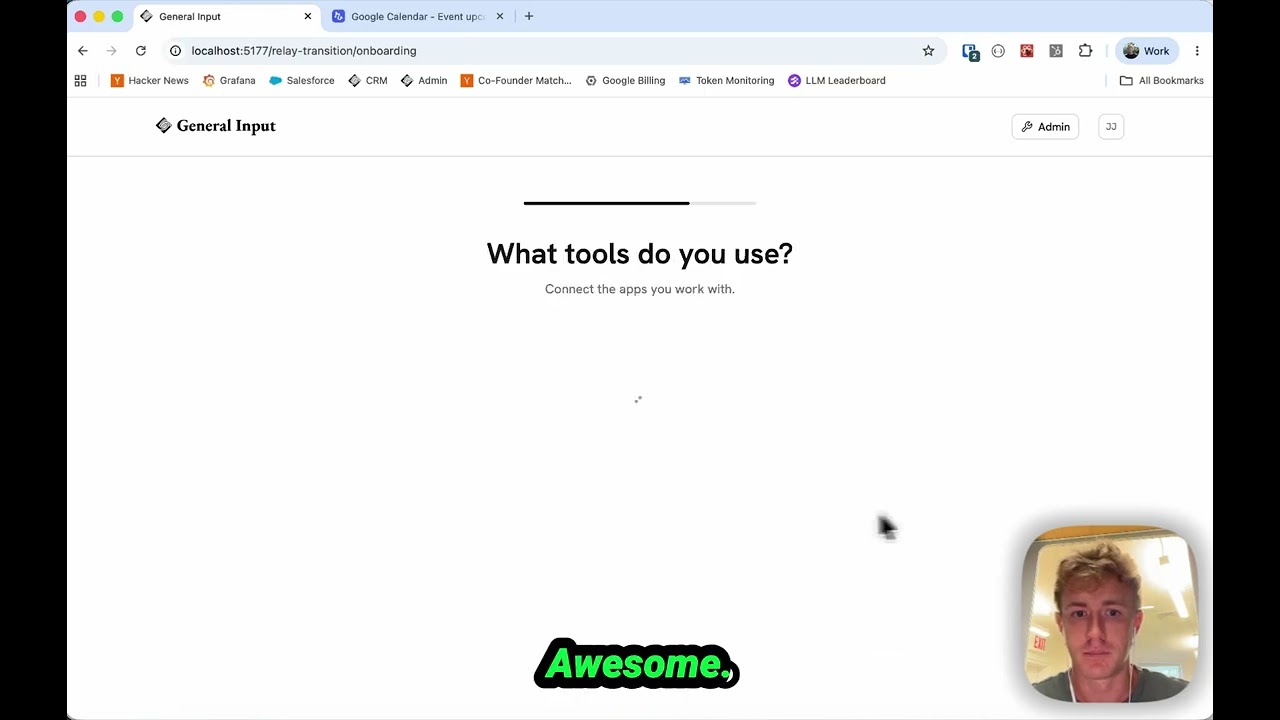
How to migrate your Relay.app workflows: a step-by-step guide
Relay.app shuts down August 15, 2026 for free users and September 14 for paid plans. How to export each workflow, rebuild it from the AI export, and cut over.
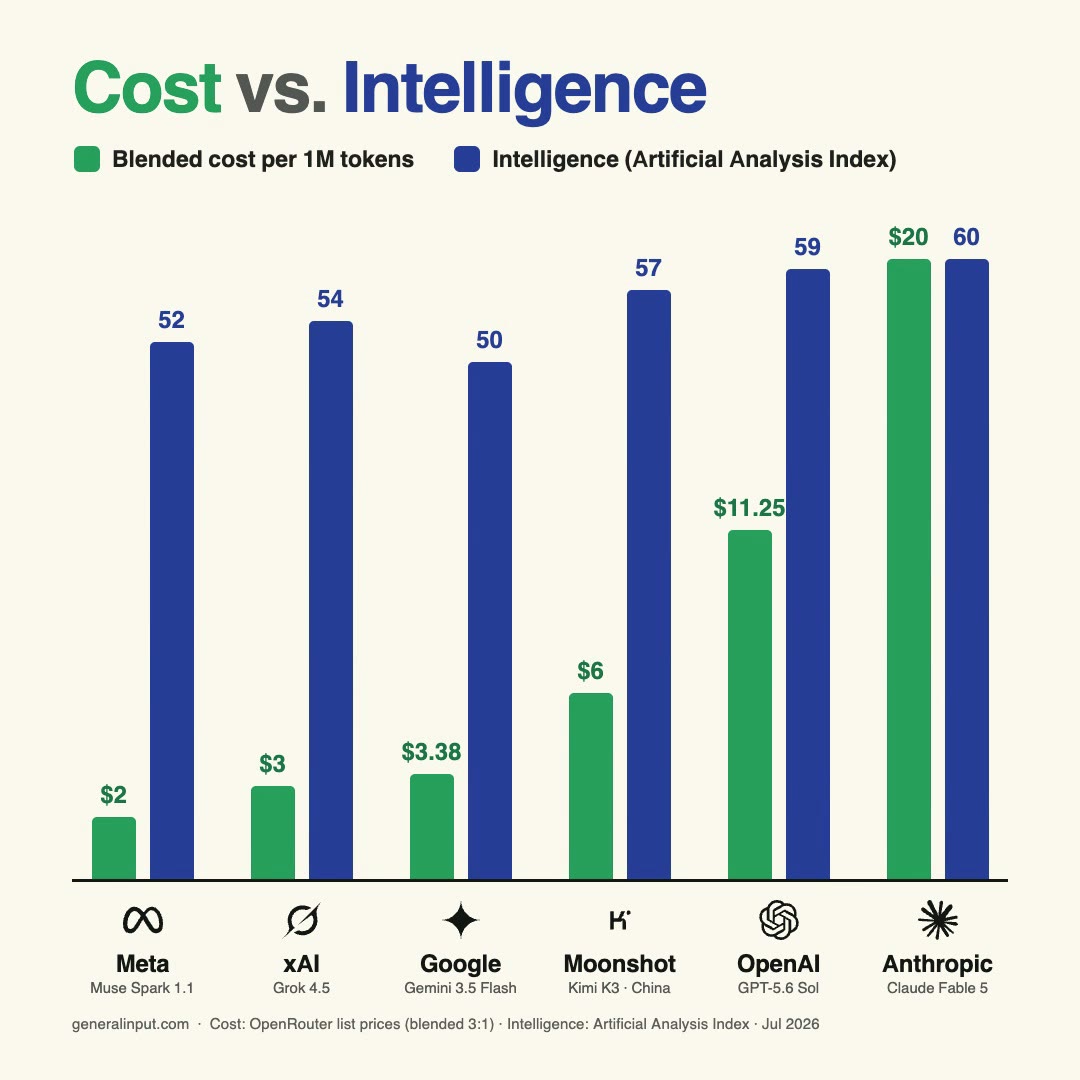
Overpaying for incremental intelligence
The best AI model is often a few percent smarter than a rival and several times the price. That premium caps how much intelligence you can afford to run.
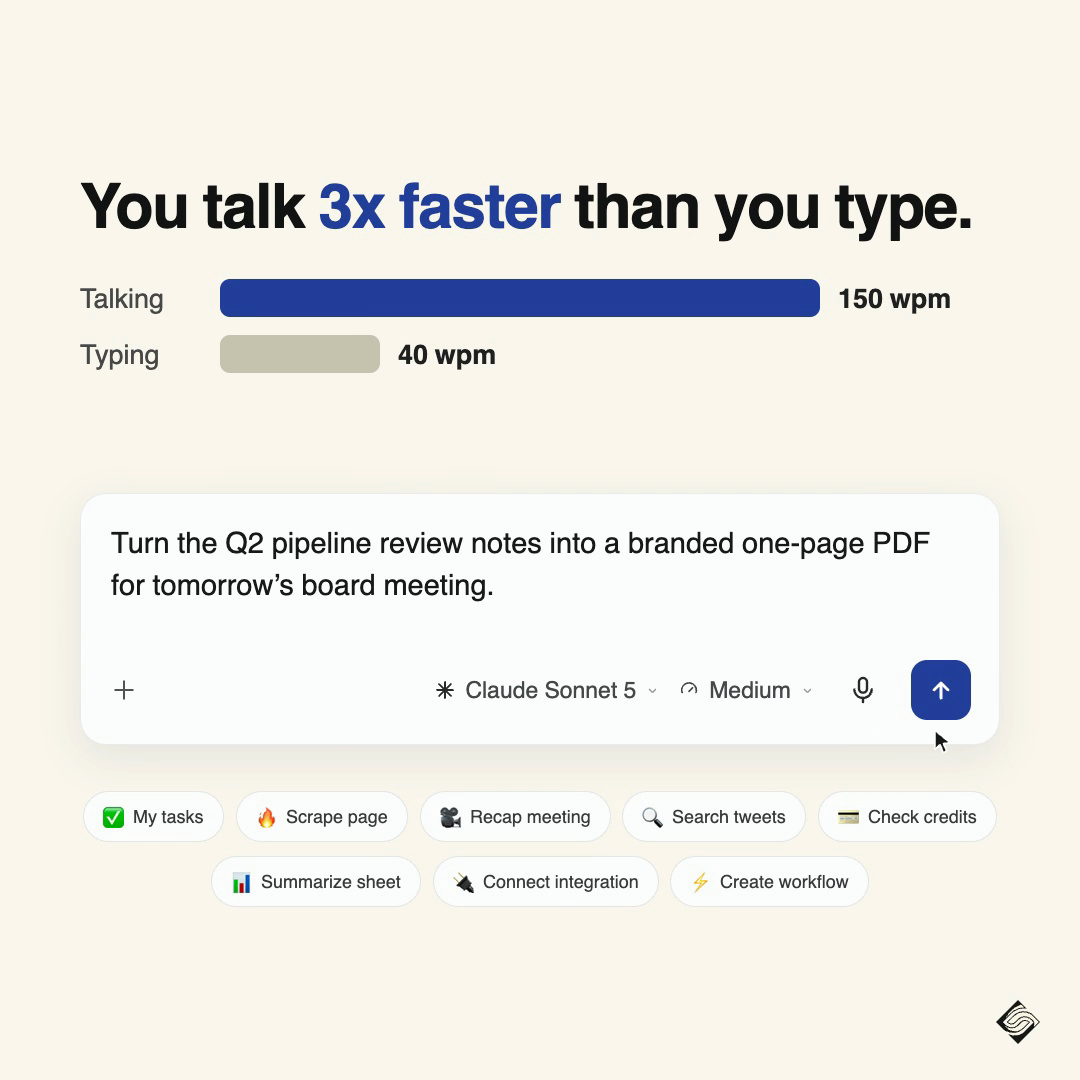
Talking to AI agents is 3x faster than typing to them
Voice dictation is live in General Input. Why speech is 3x faster than typing, and how AssemblyAI plus a Gemini cleanup pass turns rambling into a prompt.

Why Running Chinese Open-Source Models Yourself Is the Safest and Cheapest Option
Why self-hosted open-weight models like GLM, Kimi, and DeepSeek are both cheaper and safer than closed frontier APIs, explained down to the mechanism.
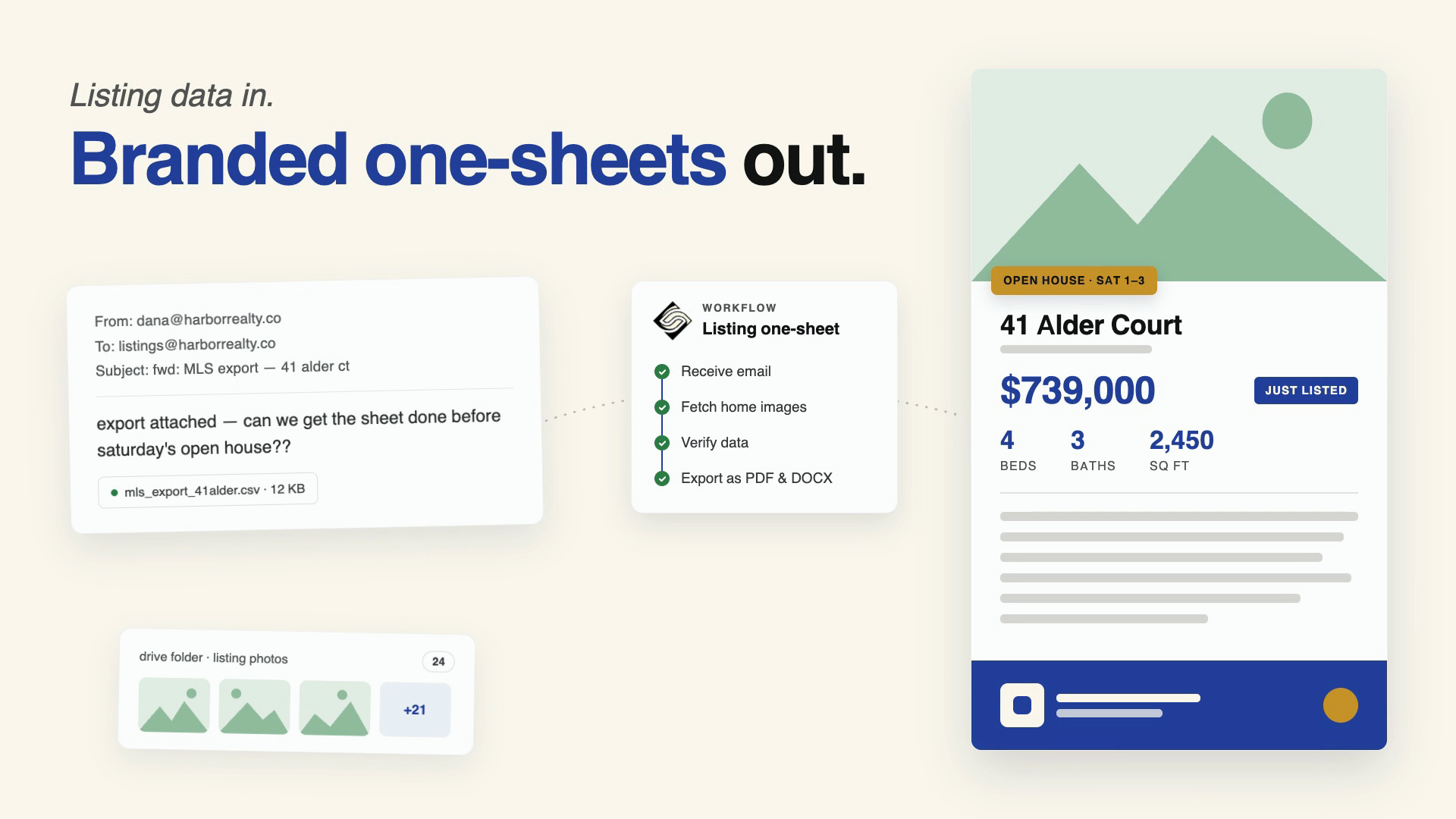
The AI use case I keep seeing: documents in bulk from unstructured data
Turning messy inputs into formatted documents is AI's most repeatable win in operations. How to move it from your laptop to the cloud for your whole team.
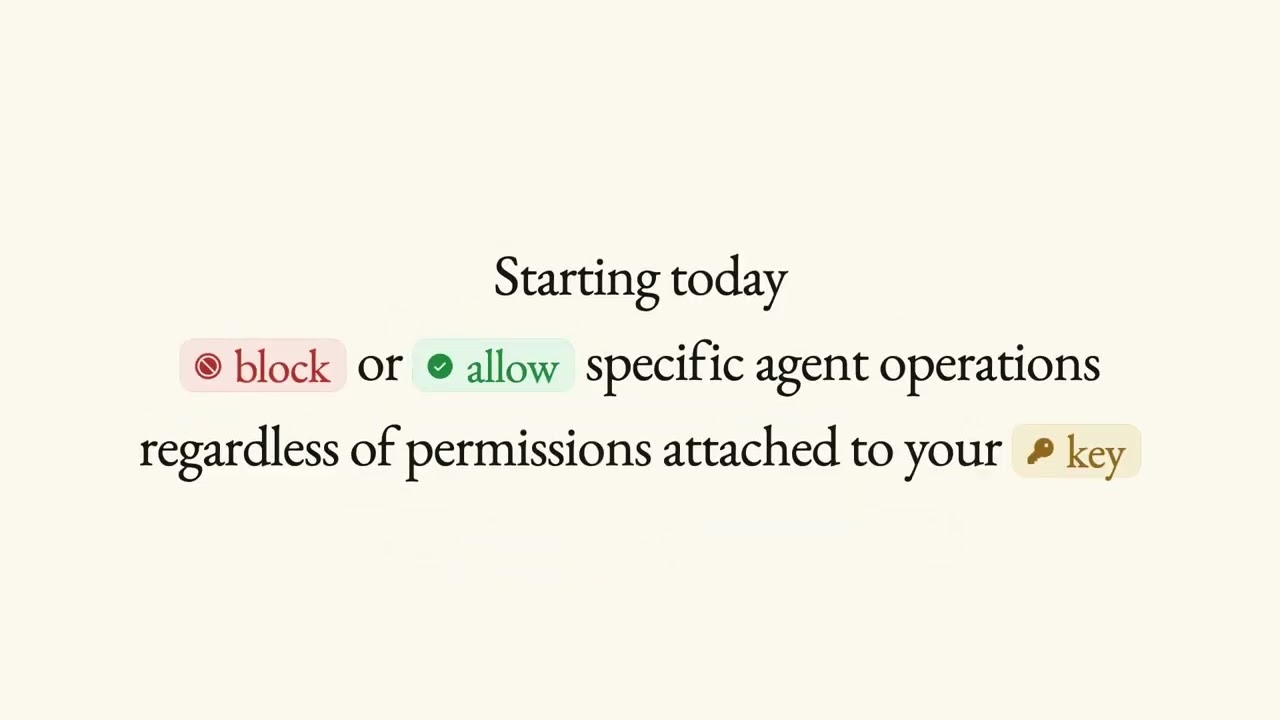
OAuth scopes are the wrong unit of control for AI agents
OAuth scopes bundle a whole service into one consent switch. Hand that to an AI agent and it inherits everything. The fix is to control operations, not scopes.
Block Built an Operating System for Internal Tools. Every Company Will Run One.
Block App Kit lets any employee build a tool from a sentence and ship it safely: an early look at the agentic operating system every company will run on.

Q1 Belonged to Anthropic. The AI Lead Already Moved.
In Q1 2026 Anthropic looked untouchable. One quarter later the frontier is a dead heat and OpenAI opened a new front below the model. The lead never sits still.

Stop building one giant agent. Build a dozen small ones.
GitHub's COO hasn't seen AI wipe out whole job functions, and neither have we. What works: small agents that each do one thing and stay easy to maintain.

What is a local AI model? NVIDIA and Microsoft just put one in a laptop.
NVIDIA and Microsoft announced laptops that run AI on the device. What a local model is in plain English, and why local-first and model-agnostic matter.

Show Me the Incentive, I'll Show You the Outcome
Cerebras CEO Andrew Feldman says the biggest barrier to enterprise AI adoption isn't data. It's lawyers and security teams. Here's why he's right.

How to Build Your First Agent: A Five-Step Field Guide
Five decisions that turn a vague AI idea into a working agent in production. No code required, just a clear trigger, a goal, and a feedback loop.

Cerebras hit 981 tokens per second on Kimi K2.6. The inference layer is now its own category.
Cerebras served Kimi K2.6 at 981 tok/s, 29x faster than the official endpoint. Why inference speed changes everything for generative UI and AI workflows.

If your best automation lives on one laptop, you don't have automation
Share AI workflows and credentials across your team. Move automations off individual machines and into the org so they survive turnover.

General Input joins the Microsoft AI Cloud Partner Program
General Input is a certified Microsoft AI Cloud Partner. Connect Outlook, Teams, OneDrive, SharePoint, Excel, Planner, and To Do to AI workflows in one click.
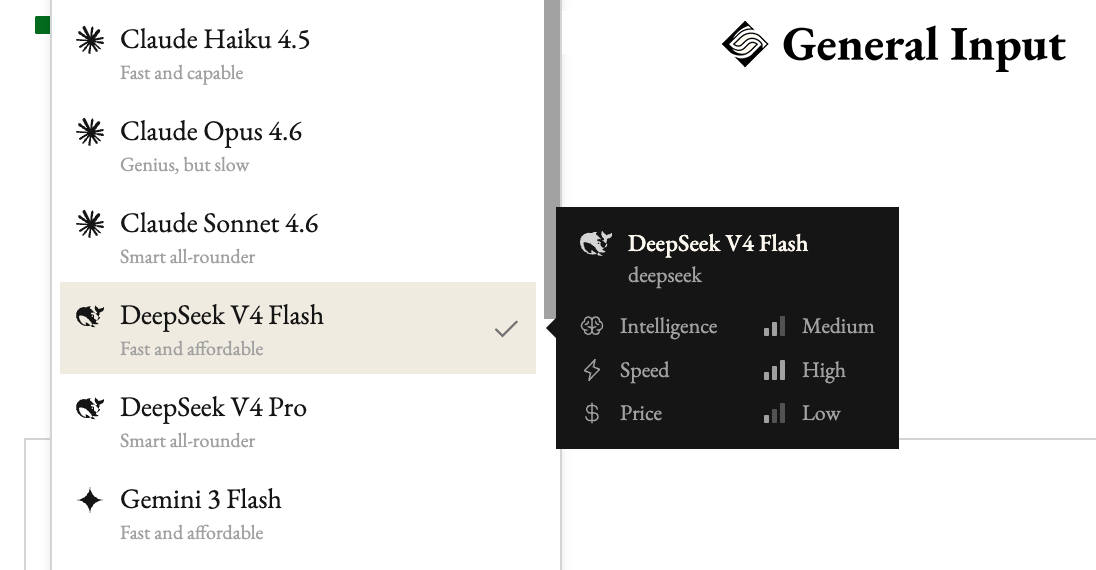
Don't build your workflows inside a single lab's application
Model-agnostic workflow automation lets you swap AI models per task with zero rewrite. Stop locking workflows to one lab's pricing and roadmap.

The agent fabric has to reach the systems most of the economy actually runs on
Most agent platforms stop at Google, Notion, and HubSpot. We shipped Bullhorn and LeadMagic because agents need to reach the long tail of business software.

The Agent Operator: The Million-Job Role Aaron Levie Sees Coming
Box CEO Aaron Levie predicts agent operator will be a million-job role. Here's what the job looks like inside regulated enterprises today.
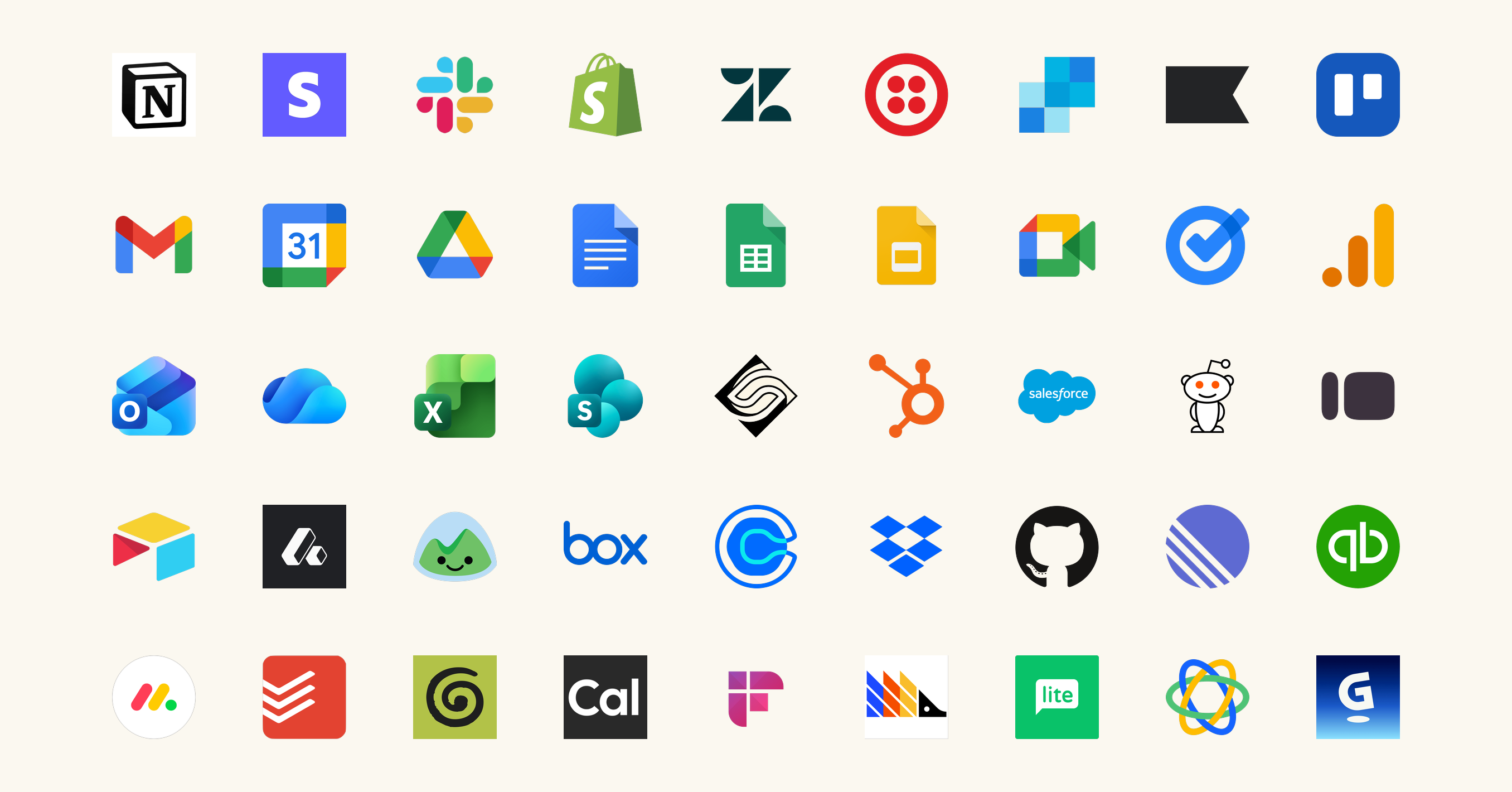
One-Click Integrations for the Whole Stack: Microsoft, Google, HubSpot, Salesforce, Reddit, and More
General Input shipped one-click OAuth integrations for Microsoft, Google, HubSpot, Salesforce, and dozens more. Connect your tools in minutes, not hours.
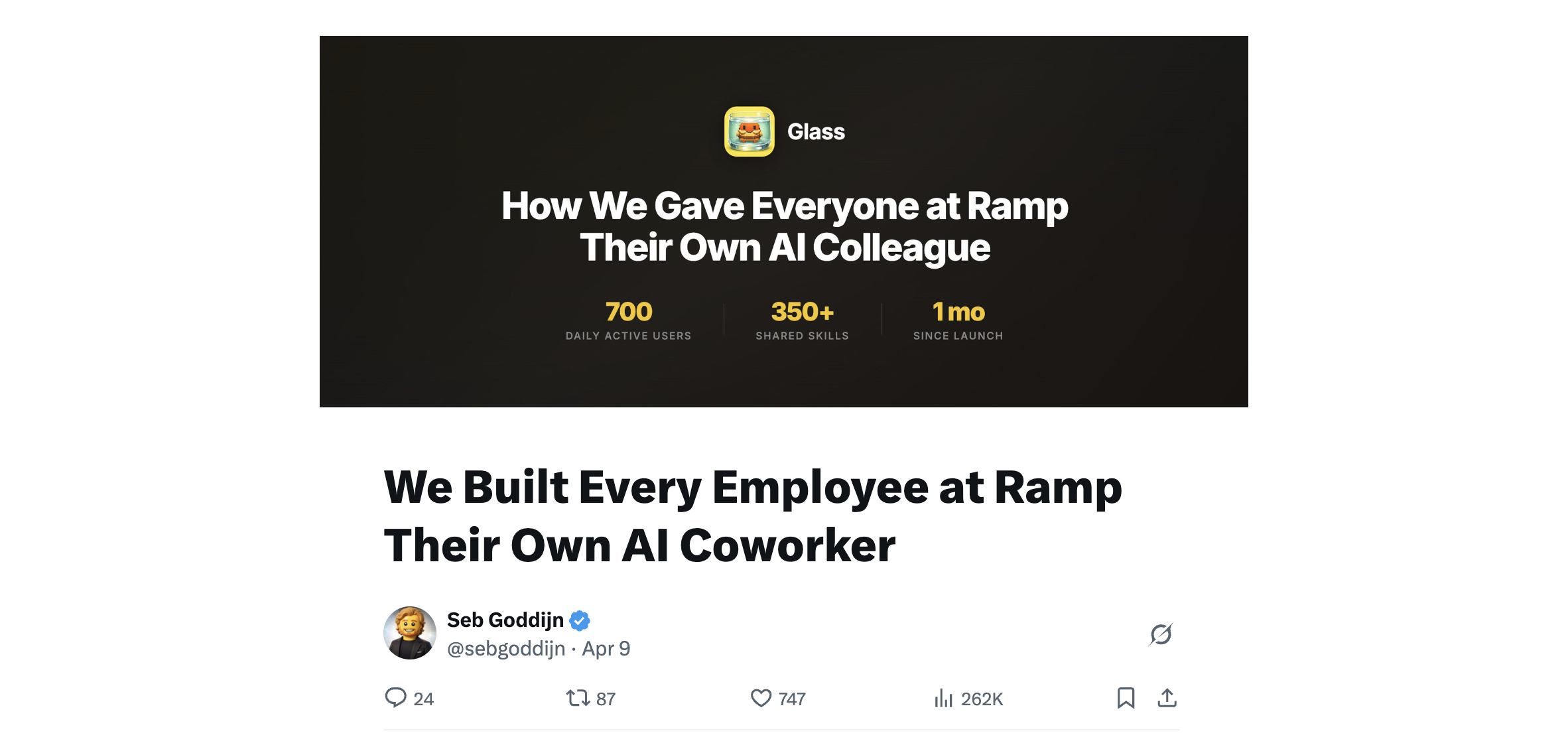
The AI Infrastructure Gap: What Ramp's Glass Reveals About Why Adoption Stalls
99% AI adoption still stalls without connected tools, shared workflows, and scheduled automations. Here's how to close the infrastructure gap.
BYO Model Deployment: AI Agents That Never Phone Home
Run AI agents on your own infrastructure. BYO model deployment supports Bedrock, Vertex, Azure, Ollama, and any OpenAI-compatible endpoint.
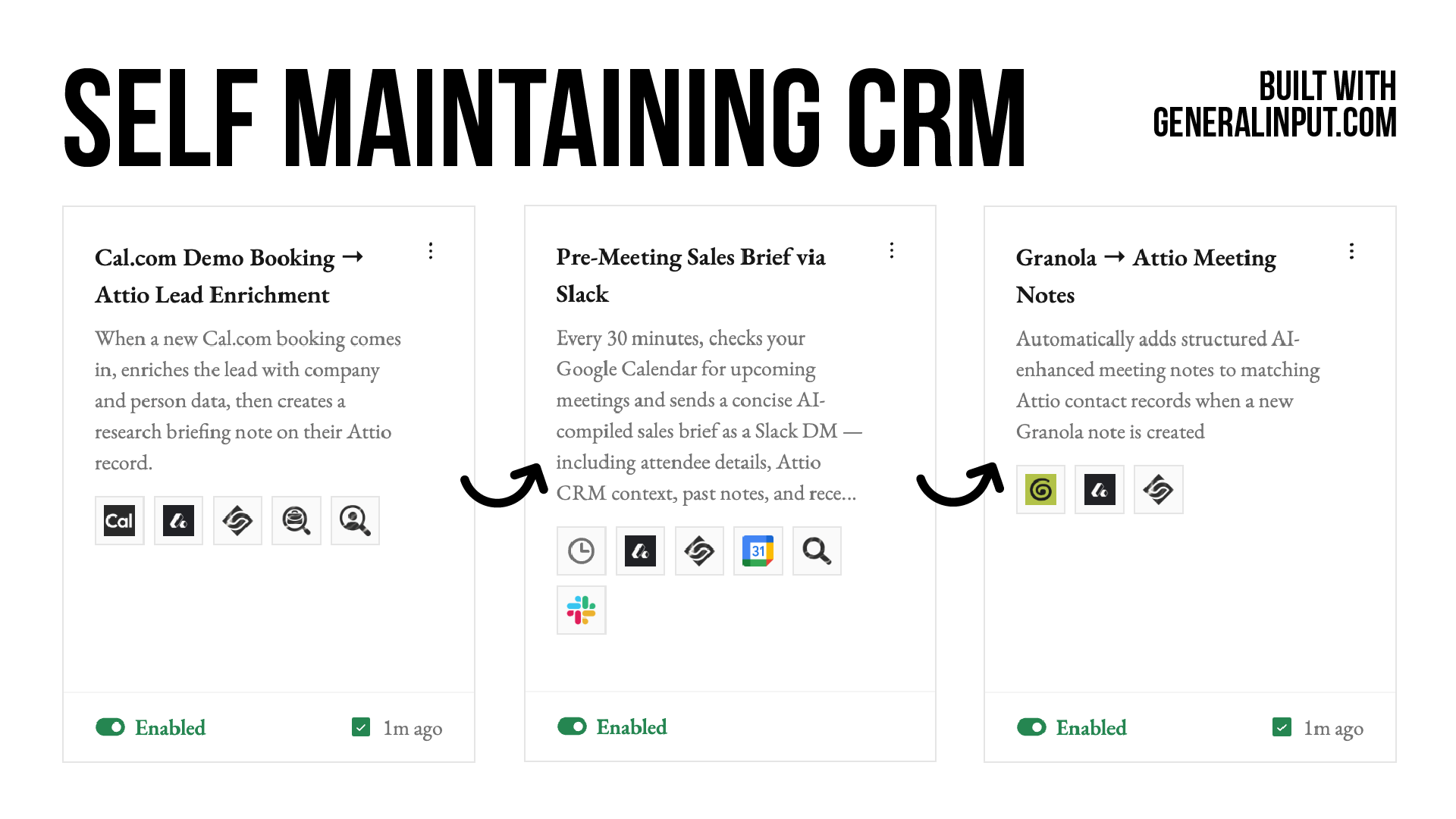
How to Build a Self-Maintaining CRM with Cal.com, Attio, and Granola
Wire Cal.com, Attio, and Granola into three workflows that enrich leads on booking, brief reps before calls, and log meeting notes automatically.
I Understand Why Leaders Are Nervous About Hooking Their Business Data Into AI
Most AI tools store API keys in plain text. The LiteLLM hack proved why that's dangerous. Learn how credential isolation keeps your keys away from the model.
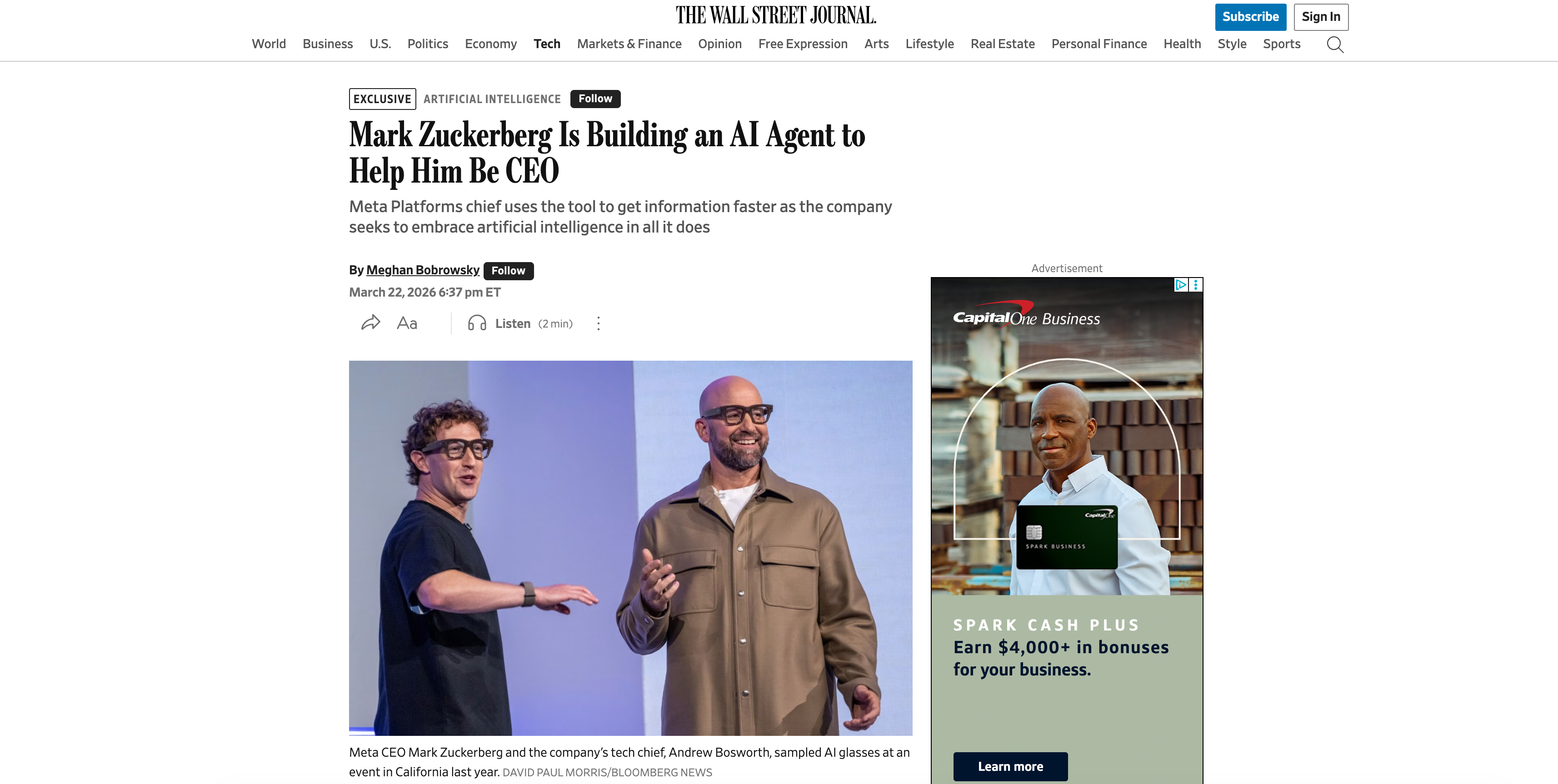
Build Your Own Revenue Agent: What Zuckerberg's AI Assistant Means for Ops Teams
Zuckerberg built an AI agent to skip the layers between him and data. Here's how ops teams can build a revenue agent that delivers Monday's numbers.
How to Automate Meeting Prep When Your Customer Data Lives in 5 Different Systems
Automate pre-meeting briefs by pulling CRM, billing, email, and product data into one doc. Save 15 minutes per call with zero manual tab-switching.
You Don't Need to Be Technical to Win With AI Agents Anymore
AI agents now work for non-technical operators. Describe a workflow in plain English and have it running in minutes, no code required.

How to Use Google Ratings as a Sales Prospecting Signal for Local Businesses
Low Google ratings reveal operational problems your software can solve. Turn review data into a qualified prospect list automatically.

Introducing General Input: Workflow Automation Written by AI
General Input lets you describe workflows in plain English. An AI agent builds them, you review and run them. No code, no flowcharts.